New Orleans, Louisiana — The New Orleans Saints have long built their identity around toughness, accountability, physical football, and commitment to the team.
For generations, that identity has helped define what football means inside New Orleans and throughout one of the NFL’s most passionate communities.
But when respected players eventually leave, their departures can reveal a more complicated side of professional football and organizational change.
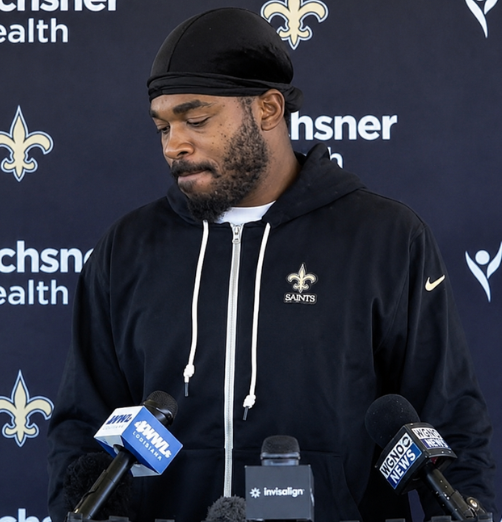
One former Saints standout is now beginning a new chapter elsewhere in the NFL, and his name is J.T. Gray.
Gray arrived in New Orleans as an undrafted free agent in 2018, entering the league without security or national attention.
Over time, he transformed himself from an overlooked prospect into one of the NFL’s most respected special-teams players.
His rise was never ordinary, and nothing about his path inside the Saints organization was ever handed to him.
Gray earned his place through relentless effort, physicality, consistency, and a willingness to embrace football’s least glamorous responsibilities.
Eventually, he became far more than a player who covered kicks or made tackles in open space.
He became a leader inside the Saints building, earning respect from coaches, teammates, and fans across New Orleans.
Gray was named a team captain and built a reputation as one of the league’s premier special-teams performers.
For years, his value to the Saints was obvious, even when his contributions rarely appeared in highlight packages.
He was the type of player coaches trusted in critical moments when one mistake could change field position.
He embraced the hidden parts of football, made difficult tackles, covered kicks, and brought energy to the sideline.
That made his eventual departure feel heavier than a normal roster move for many Saints fans.
Professional football rarely allows relationships to remain permanent, even when a player deeply represents a franchise’s culture.
Eventually, the Saints and Gray reached the end of their time together, closing a meaningful chapter in New Orleans.
In 2026, Gray agreed to terms with the Philadelphia Eagles, joining another franchise with serious championship ambitions.
Philadelphia also values special teams, physical defensive football, and veteran leadership, making Gray a natural fit for their roster.
For Saints fans, seeing a longtime captain leave was another reminder that New Orleans had entered a different era.
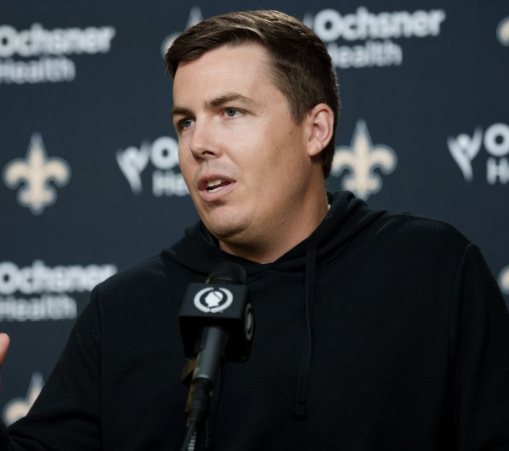
The team had already begun reshaping its roster under new head coach Kellen Moore and a changing football vision.
With young quarterback Tyler Shough and younger players expected to carry the future, transition became unavoidable.
That transition inevitably meant saying goodbye to veterans who represented the previous generation of Saints football.
Gray’s departure was especially notable because he was not simply another player changing teams during the offseason.
He had become part of the Saints’ identity through effort, leadership, and his unlikely path from undrafted rookie.
His journey demonstrated exactly the type of player New Orleans had traditionally valued and proudly developed.
But his move to Philadelphia raised a difficult question about culture, loyalty, and the business side of football.
What happens when players who embody an organization’s culture eventually find themselves standing outside of it?
There is no evidence that Gray publicly accused the Saints of mistreating him or exposed a secret scandal.
That distinction matters because the real story is not about some dramatic betrayal behind closed doors.
The real story is more subtle, more human, and more reflective of how the NFL actually works.
Gray’s career shows how deeply connected players can still eventually be forced to search for another opportunity.
In Philadelphia, he now has the chance to continue his career inside another serious, physical, winning-focused organization.
The Eagles agreed to terms with Gray alongside veteran safety Marcus Epps during the 2026 offseason.
Those moves added experience to Philadelphia’s secondary and special-teams groups before another demanding season.
For Gray, the signing represents another stage in a remarkable NFL journey built on patience and resilience.
He entered the league without draft status, fought for every opportunity, and established himself through consistent work.
He became a Saints captain, an All-Pro-caliber special-teams player, and one of New Orleans’ most respected veterans.
Now he is preparing to prove his value somewhere else, wearing a different uniform and facing new expectations.
For the Saints, his departure represents one piece of a much larger transformation taking place across the roster.
New Orleans is trying to build around younger players while still keeping some veterans from the previous era.
Alvin Kamara agreed to a restructured contract in July 2026, keeping him in New Orleans for the upcoming season.
The Saints’ all-time leading rusher is expected to remain alongside newly acquired running back Travis Etienne Jr.
That combination of old and new shows exactly where the franchise stands during this transitional moment.
Some veterans remain, others leave, and a new generation gradually begins taking control of the locker room.
Gray’s story fits perfectly into that transition because he represents the end of one chapter and the beginning of another.
For years, Saints fans watched him make plays that often happened before the offense ever touched the football.
Now those plays will happen in another uniform, inside another stadium, for another team chasing its own goals.
Philadelphia gets a veteran who understands the smallest details of winning football and the importance of special teams.
New Orleans gets another reminder that even respected organizational figures eventually move on in the modern NFL.
Saints fans are left with the memories, the tackles, the blocked kicks, the leadership, and the captaincy.
They remember the journey from an undrafted rookie to one of the league’s most respected special-teams players.
Gray’s departure does not mean the Saints’ culture was fake or that everything behind closed doors was broken.
It does not prove something ugly happened inside the organization or that his exit was surrounded by scandal.
Instead, it demonstrates something far more realistic about the NFL and the way franchises constantly evolve.
Cultures change, coaches change, front offices change, players change, and locker rooms eventually become different places.
Even the people who helped define an organization’s identity may eventually find themselves wearing another team’s colors.
J.T. Gray has now joined Philadelphia, while the Saints continue building their next football era.
But his legacy in New Orleans remains difficult to overlook because it was earned one play at a time.
He arrived without the expectations of a draft pick and slowly built respect through discipline and sacrifice.
He became a leader, a captain, and the type of player undrafted rookies dream of becoming.
When his Saints chapter ended, he left behind a career that still carries meaning throughout New Orleans.
Now comes the next test for Gray in a different locker room, a different city, and a different organization.
And he will try to prove that the qualities that made him valuable in New Orleans can travel anywhere.
Stay tuned to ESPN.