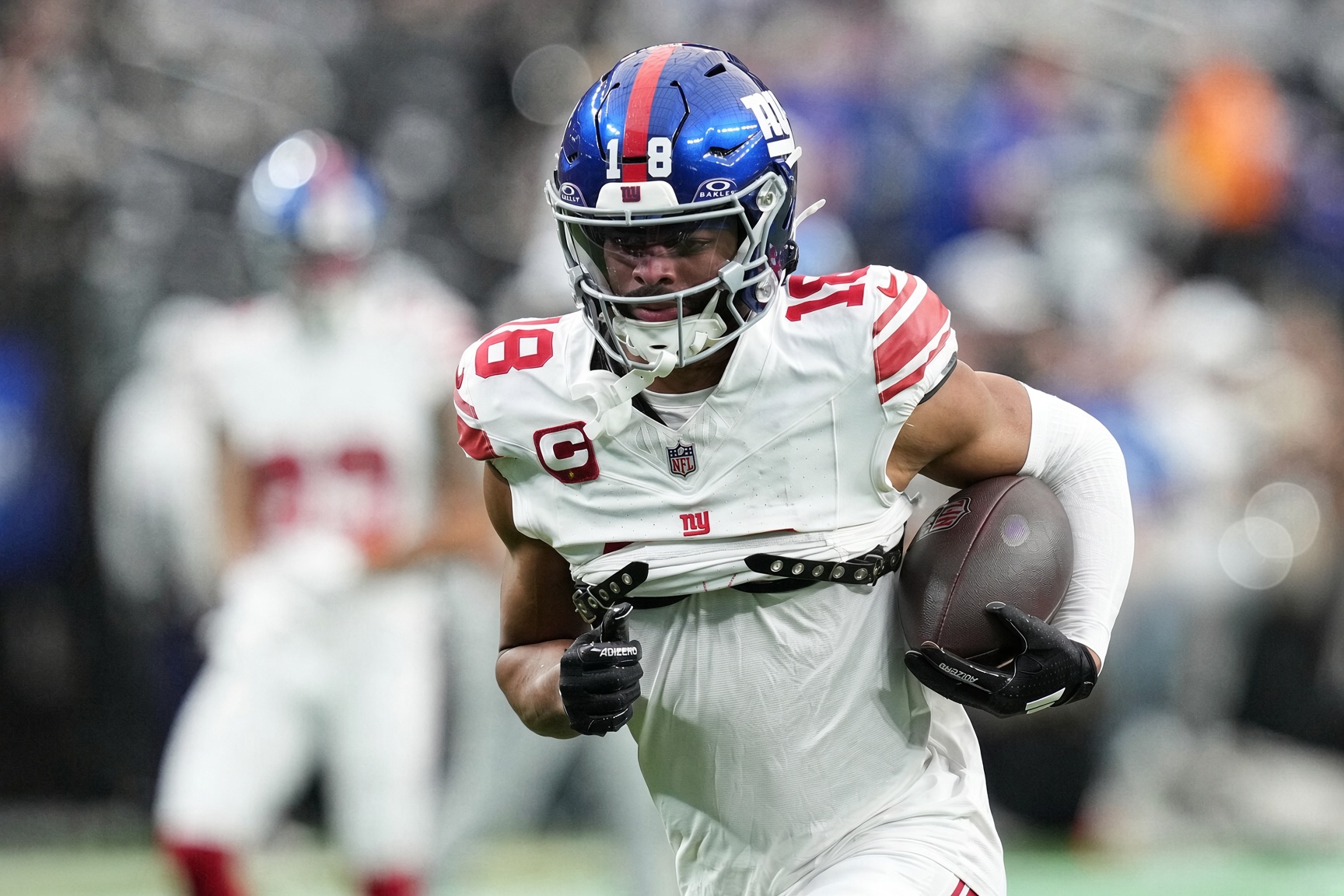
East Rutherford, New Jersey — MetLife Stadium was supposed to enter the John Harbaugh era as a stage that had just hosted the World Cup final. Instead, its playing surface is already creating an uncomfortable controversy.
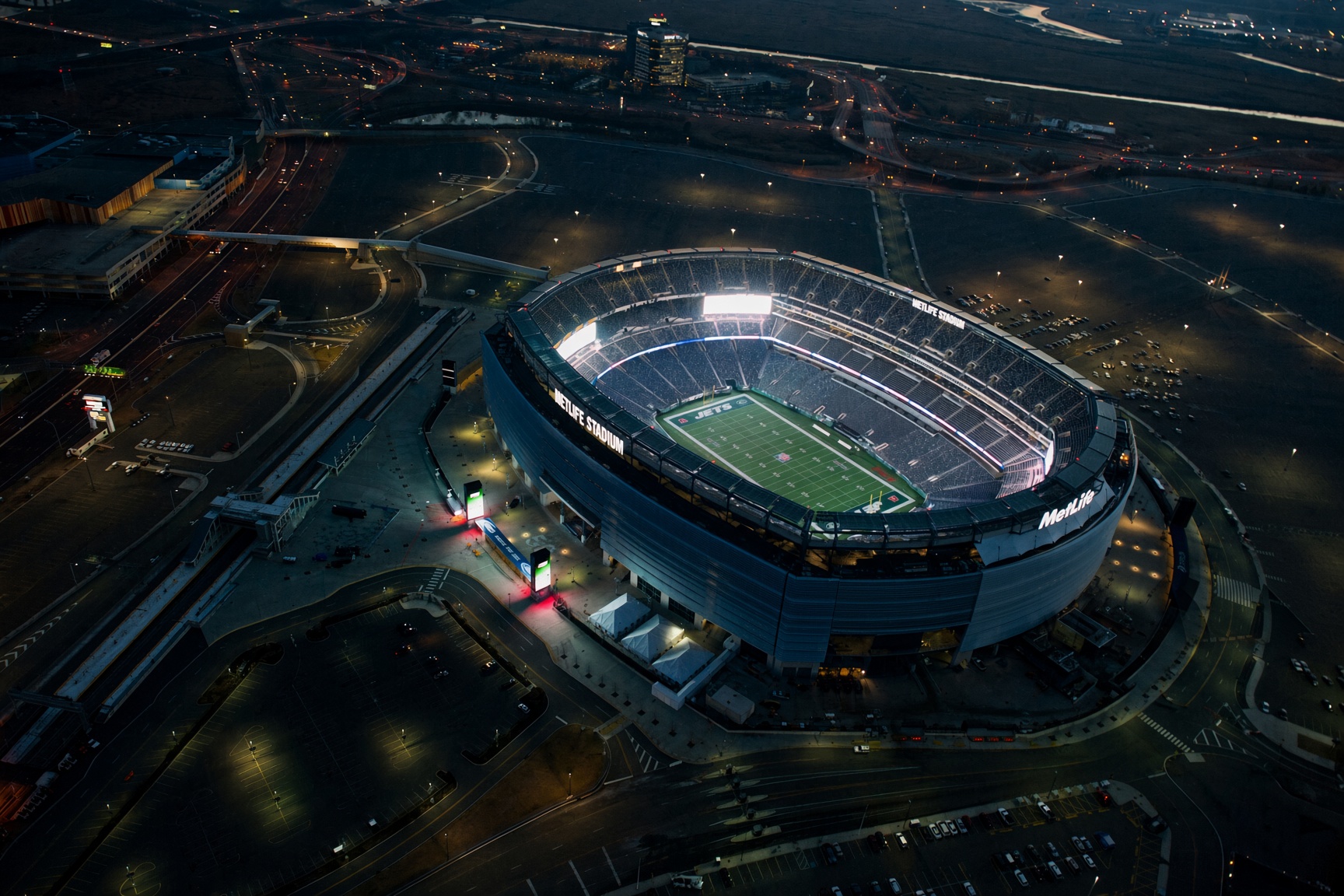
The venue has yet to host its first regular-season Giants game of 2026, yet New York is already back on the artificial turf that players have spent years criticizing.
A temporary natural-grass pitch was installed this spring so FIFA could use the stadium, including the July 19 final. That grass hosted the world’s biggest soccer event, then came up short of glowing reviews.
France’s Adrien Rabiot said it felt more like an artificial surface — hard and rigid. Didier Deschamps called it a “special surface,” not as a compliment. Vinícius Júnior said the pitch dried out so quickly that Brazil’s rhythm died with it.
The bigger argument for Giants fans was never only how the World Cup grass looked. It was what happened after the tournament left town.
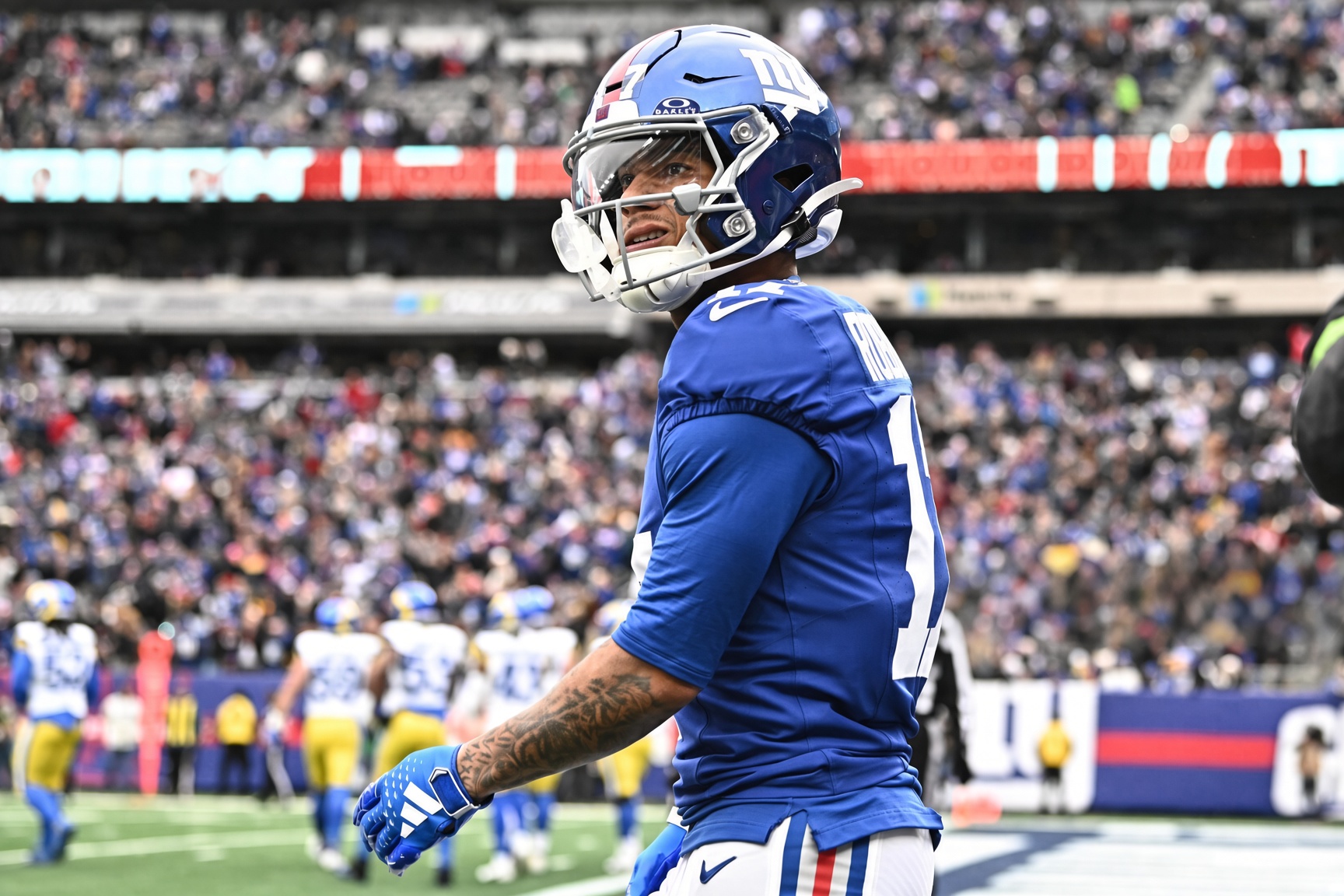
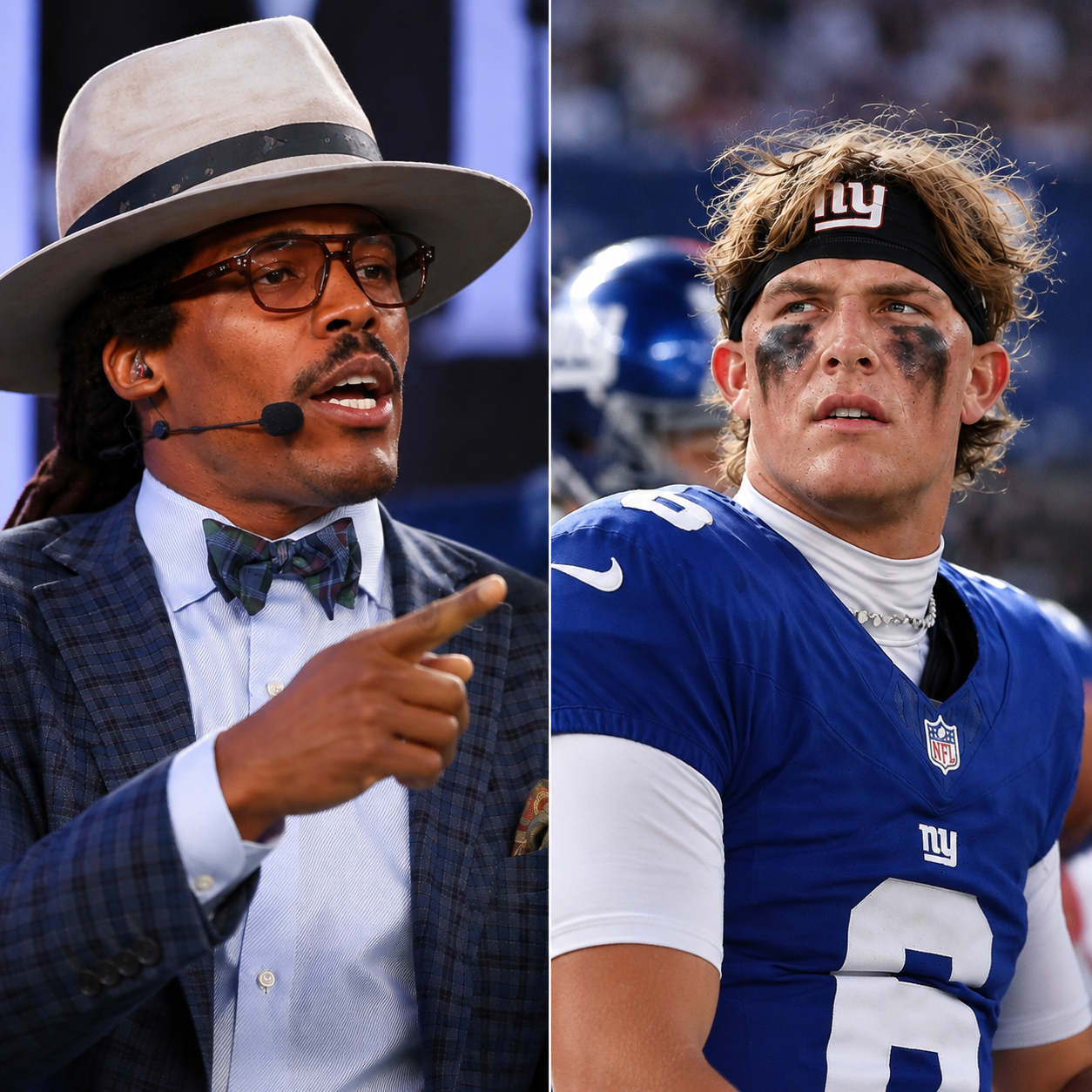
The grass was ripped out. The turf returned. And that decision landed just as Malik Nabers is coming back from a torn ACL suffered at this stadium in 2025, and just as Jaxson Dart prepares for the first home Sunday night of Harbaugh’s tenure.
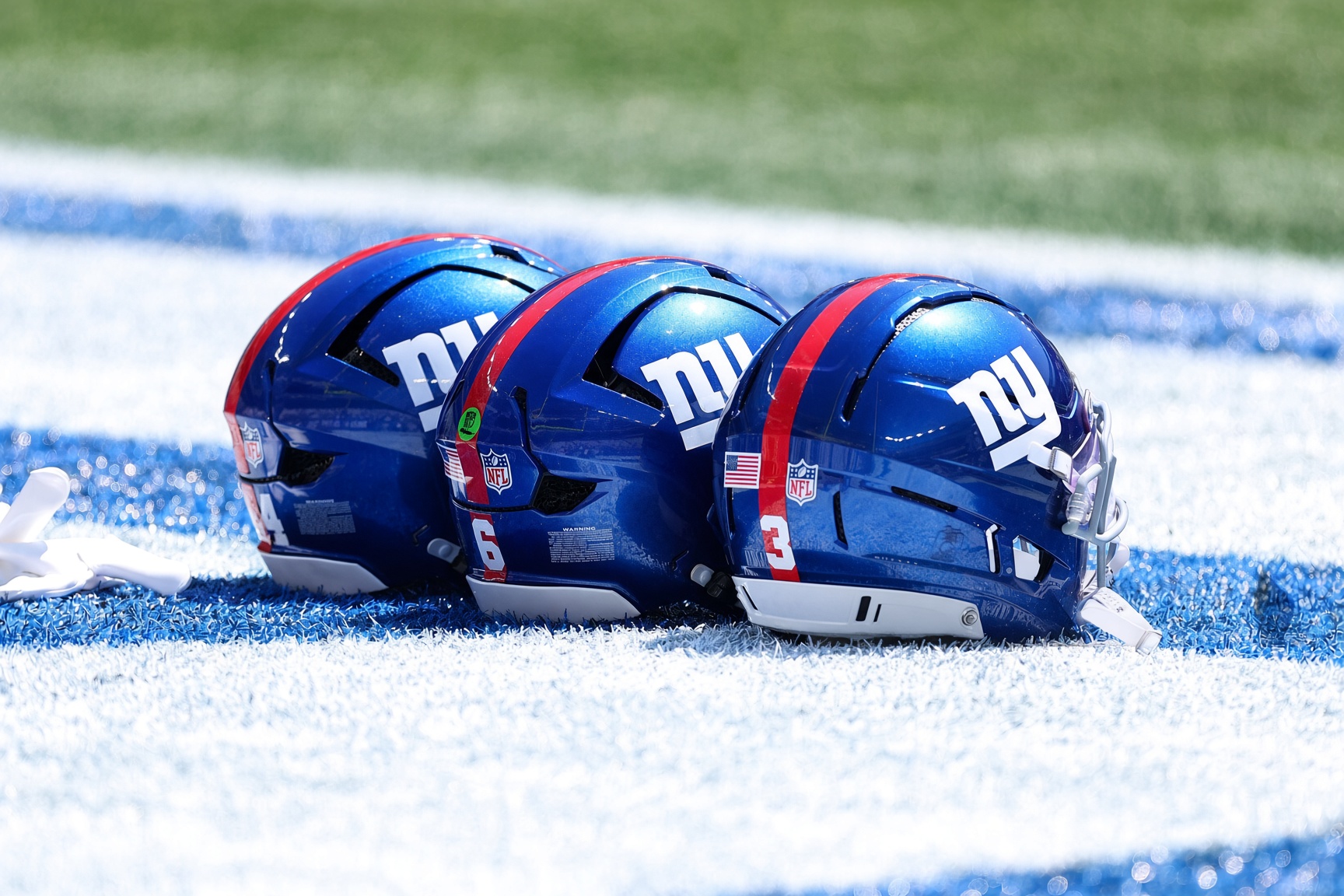
Giants right tackle Jermaine Eluemunor captured the locker-room mood months ago, calling the switch back to turf a “sucky feeling” and saying, after a decade in the league, that grass feels better on the body.
An NFLPA poll found 92 percent of players prefer natural grass. MetLife’s turf has repeatedly graded near the bottom of player report cards.
The criticism carries extra weight in New York because this field already lives in the injury conversation. Jets fans still point to Aaron Rodgers’ Achilles in a MetLife opener. Giants fans point to Nabers’ season-ending knee. Catastrophic injuries happen on grass too. That has not stopped the surface from becoming a symbol of risk.
The organization has not claimed the turf failed an NFL safety inspection. Officials have instead emphasized the calendar that makes permanent grass so difficult here: two NFL tenants, concerts packed into August and September, and weather that can wreck a natural field when games land on consecutive days.
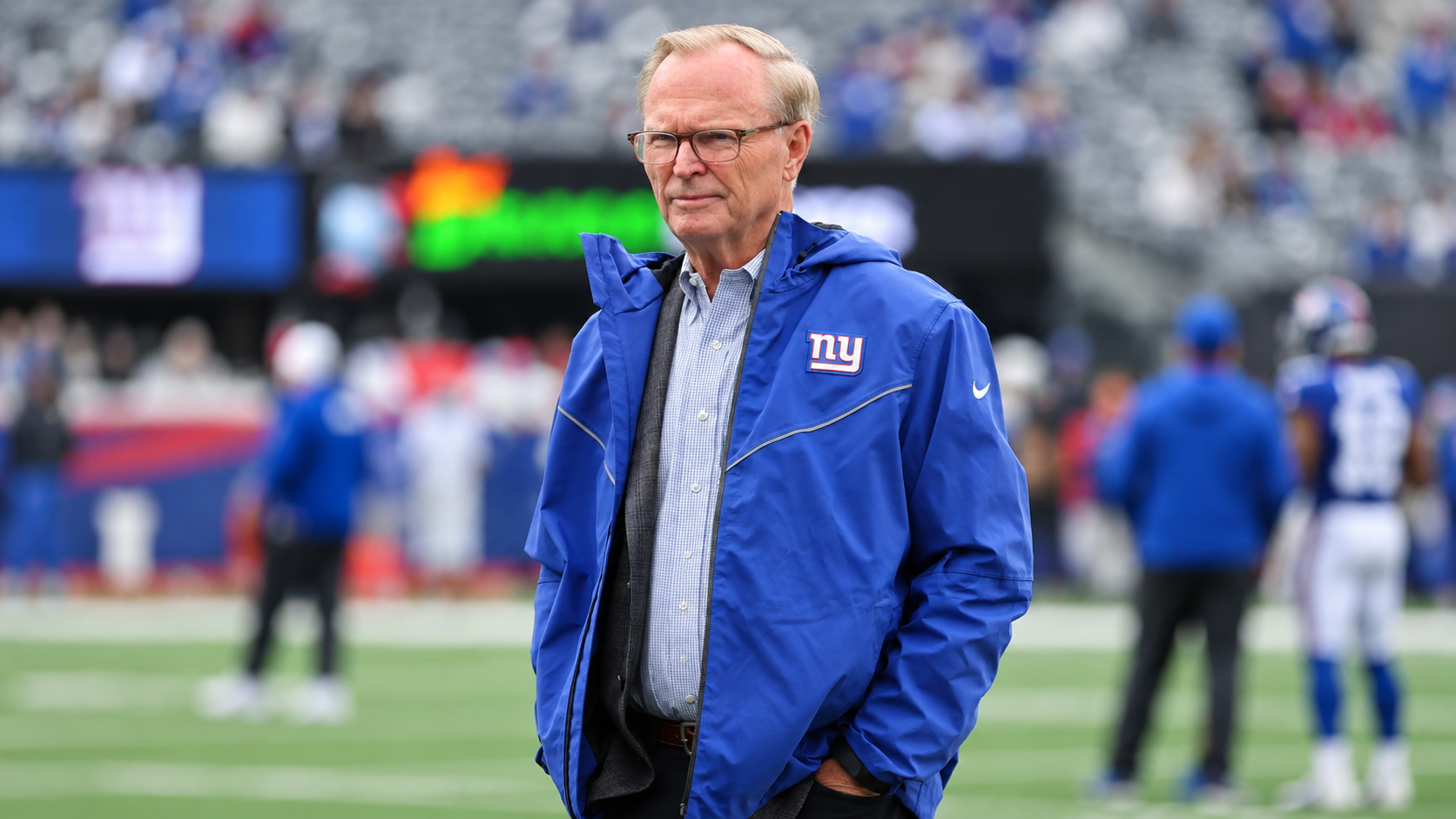
John Mara has said he wants experts to tell the club that late-season grass can stay safe and playable. “We’re not there yet,” he said when the World Cup award first forced the issue into the open. Shared use and rain between a Jets game and a Giants game, he argued, would leave a grass field looking wrecked by the second kickoff.
That explanation is operationally honest. It has not ended the argument.
New York therefore chose to restore turf before Dallas arrives on September 13, giving the building a familiar football surface after a summer spent as “New York New Jersey Stadium.”
The turf is the same category of surface the Giants and Jets have used for years, not a new $2.1 billion experiment. The timing still feels raw because the stadium just proved, at enormous cost, that it can put grass down when a governing body demands it.
The replacement surface will face an immediate test. The Giants open at home in primetime against the Cowboys, then leave for Los Angeles, then return for the Titans.
The Jets also use the building. Concerts continue to occupy the floor. MetLife’s open bowl, heavy event calendar, and two-team schedule create conditions that differ from a single-tenant grass stadium.
That environment may require the grounds crew to keep adjusting through Harbaugh’s first season. It does not change the optics.
The criticism arrives at an uncomfortable moment for a franchise trying to sell a reset: new coach, second-year quarterback, franchise receiver returning from a knee injury, and a nationally televised home opener.
MetLife was designed to hold more than 80,000 people and deliver a football-first night in the Meadowlands. The inaugural regular-season game of this era against Dallas was supposed to be about Harbaugh’s first home script and Nabers’ first home target after surgery.
Instead, attention has shifted toward the most basic element in the building: whether the surface under Dart’s plant foot and Nabers’ cuts deserves the trust the night requires.
For players, the issue goes beyond appearance. Receivers, running backs, quarterbacks, and defenders depend on consistent footing on every explosive step. Dart must plant. Nabers must cut. That makes the field part of New York’s attempt to climb out of a lost season, not a side note.
The Giants can argue that returning to turf was a scheduling decision, not an admission that the stadium is unsafe. Nevertheless, every slip, every non-contact wince, every replay of a planted foot during the Cowboys game will invite the same question fans asked all summer: if grass was good enough for the World Cup final, why is it not good enough for the Giants?
Until that question fades under regular-season conditions, MetLife Stadium’s surface will remain one of the NFL’s familiar, unresolved storylines — now attached to a new coaching staff that has not yet played a home game.