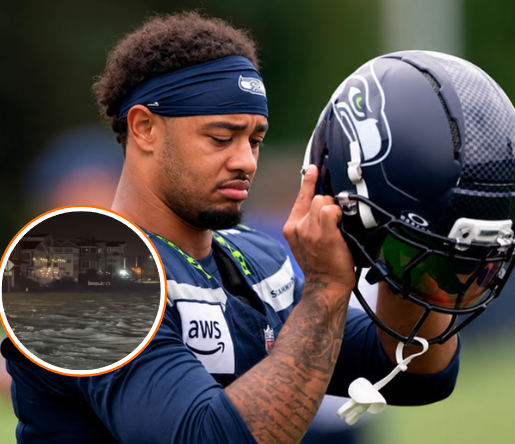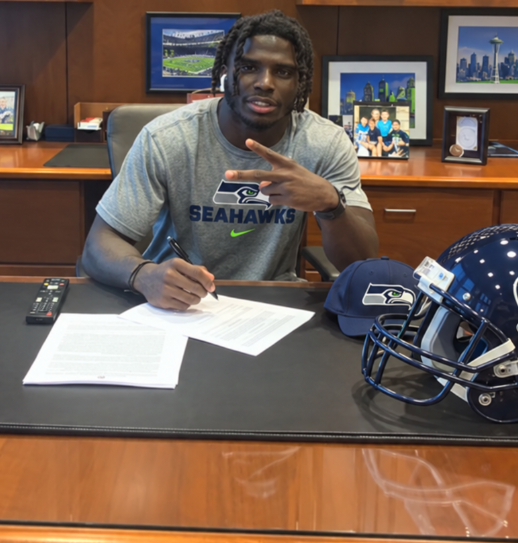
Seattle, Washington — A long-running stadium fight has now reached its breaking point, because the Seahawks’ next home is no longer just brick and steel. It is about the city’s identity.
In less than twenty-four hours the tone flipped around a 2–0 roster that is still preparing for Sunday’s Week 3 kickoff at the Washington Commanders.
What used to look like a quiet facilities file has become a public confrontation between one of the NFL’s historic clubs and the state of Washington.
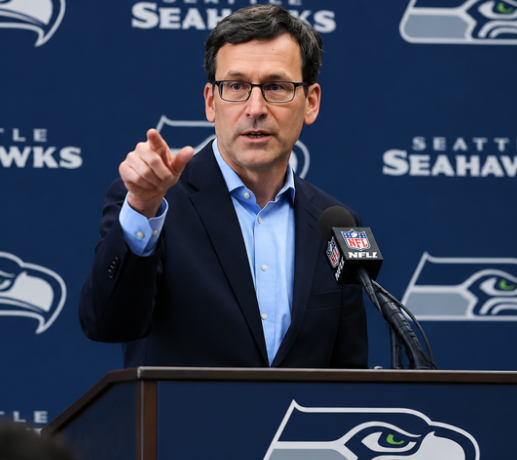
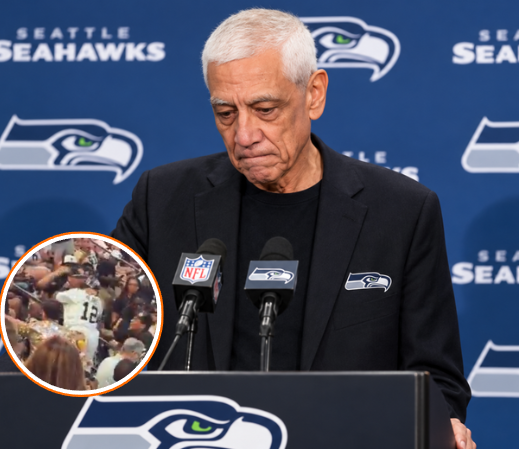
Governor Bob Ferguson sits at the center of that storm and is now demanding a single, final answer from Vinod Khosla’s front office.
For six years the Seahawks have changed their mind about where a post-Lumen Field stadium should actually be built.
They first promised to stay downtown and pour money into renovating Lumen Field and the blocks around the current campus.
Then they swung hard to Renton and lined up a path worth nearly two hundred million dollars on a vacant industrial tract.
When taxes and legal snags appeared, the club walked back to the table with the city of Seattle again.
They did not stop there. They later opened an Idaho option, a completely different map outside Washington’s border.
Every pivot created another proposal, another delay, and more doubt, even after the 31–7 road win in Arizona last Sunday.
That inconsistency has now damaged Seattle’s chance to lock down a future Super Bowl on its own turf.
People around the league say the city’s title-game bid looks weaker because the home club will not pick a site.
The NFL wants a stable plan, a long view, and a clear promise from any market asking to host the Super Bowl.
Seattle still has the fans, the hotels, the airport, and a championship history few American cities can match.
The Seahawks, though, have put a question mark on every stage of the conversation.
Thursday morning the standoff sharpened inside the governor’s office before most of the city had finished coffee.
A source there said Ferguson delivered his hardest line yet, an unofficial ultimatum aimed directly at the franchise.
“We have stood with this organization, we have been patient, and we believed they were committed to building their future in Washington.”
“If they keep changing direction like this, we will not keep chasing them. This state needs clarity, not another loop of uncertainty.”
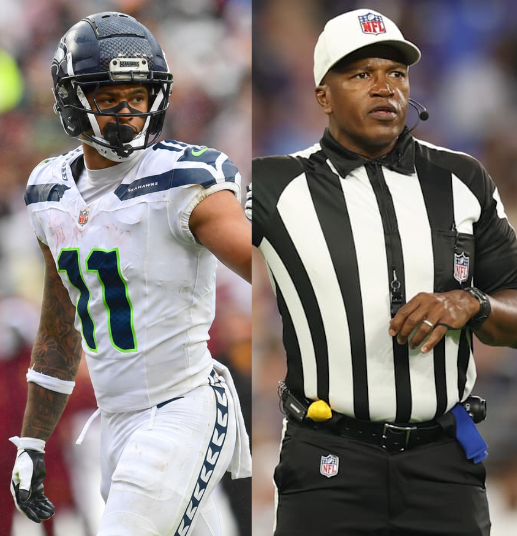
That was more than a warning shot. It was a deadline hanging over Sunday’s road game in Landover.
If the Seahawks do not choose soon, Washington is ready to leave the talks and let the file go cold.
Inside the building the heat is rising on ownership and on the football staff at the same time.
They know the clock is no longer friendly after two games and a midweek political storm.
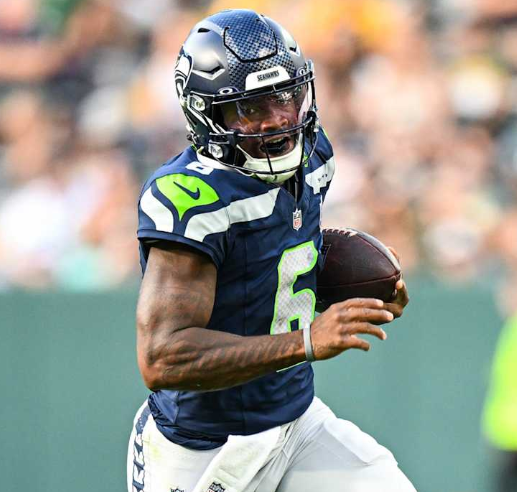
Every path now has a price for Jaxon Smith-Njigba, Drew Lock, Sam Darnold, and the 12s.
Commit to Washington this week, or start packing and absorb the anger of a fan base that does not forgive easily.
For the city this is no longer only football. It is jobs, pride, and whether Seattle stays on the national sports map.
A Super Bowl pumps billions through hotels and restaurants and brings millions of visitors in a single stretch of days.
Losing that bid after years of selling the next stadium would land as a civic punch.
Analysts call this a ten-year fork for the club, not a one-week headline.
What Khosla decides next will shape the roster’s home and the city’s place in the league’s showcase calendar.
The pressure has left the field. It now sits on the negotiating table.
In a week like this, waiting too long can become the choice itself.